
Arjuna for Heart Health: Traditional Ayurvedic Uses and the Importance of Personalised Care
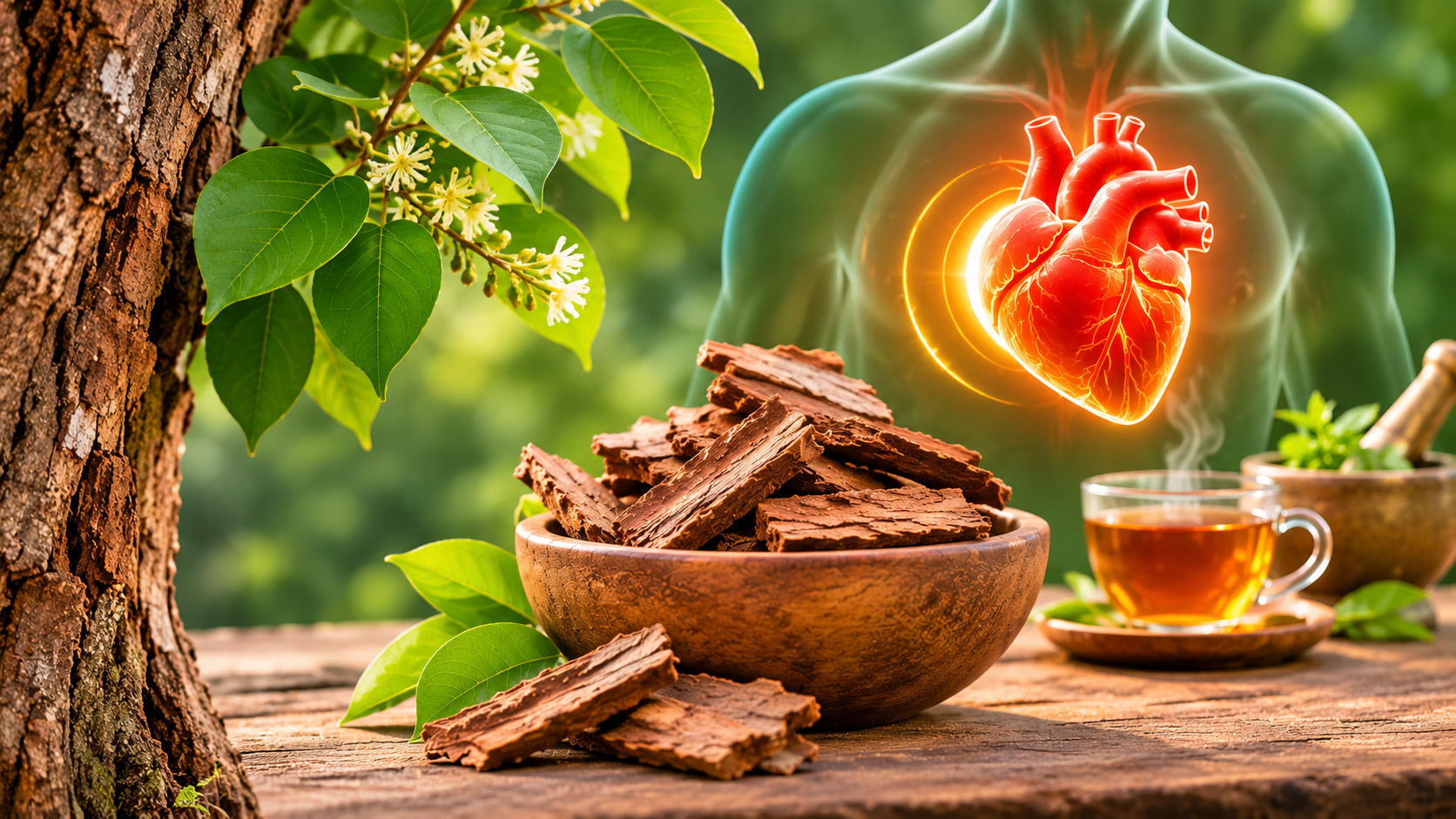
Exploring Arjuna for heart health often begins with curiosity about a familiar Ayurvedic herb. Perhaps someone mentions Arjuna bark, or you notice it in a preparation while looking for thoughtful ways to support wellbeing after forty.
Understanding its traditional role is useful. Understanding whether it suits you matters equally.
According to Ayurvedic principles, herbal care considers the person alongside the preparation. Your constitution, digestion, strength and everyday habits help shape suitable guidance. This article explains Arjuna’s Ayurvedic context, preparation forms and place within personalised heart wellness.
Arjuna for Heart Health Through Ayurvedic Care
- Arjuna bark has a traditional place in Hridaya wellness.
- Different preparation forms require their own directions and suitability assessment.
- Prakriti, Agni and Bala help inform personalised Ayurvedic guidance.
- Ahara, Dinacharya and restful sleep complement responsible herbal care.
- Existing medicines, sensitivities and preparation quality deserve careful attention.
Understanding Arjuna in Ayurveda
Arjuna and Hridaya wellness
Traditional Ayurvedic heart care commonly describes Arjuna as Hridya, associated with supporting the heart.
This description belongs to an Ayurvedic framework. It should not be interpreted as a promise of protection from every heart concern.
Among Ayurvedic herbs for heart health, Arjuna deserves discussion in the context of the whole person, including nourishment, activity, rest and emotional wellbeing.
Why the bark matters
Arjuna bark in Ayurveda refers to the plant material used in traditional preparations. Ministry of Ayush medicinal-plant resources identify bark as the relevant part of Terminalia arjuna.
Correct identification matters. A familiar name or photograph does not confirm that a preparation contains suitable, correctly identified material.
When exploring Terminalia arjuna in Ayurveda, distinguish the herb itself from products containing additional ingredients.
Traditional Arjuna Bark Uses and Preparation Forms
Churna and Kashaya
Churna is a powdered preparation. Kashaya generally refers to a decoction prepared through a defined process using water.
These forms cannot automatically be exchanged in equal quantities. Preparation method, concentration and accompanying ingredients influence the directions.
Avoid copying quantities from another person’s routine or an online recipe
Ksheerapaka and compound preparations
Arjuna Ksheerapaka is a traditional milk-based preparation. Milk-based forms require consideration of individual tolerance and dietary needs.
Compound preparations combine Arjuna with other ingredients. Their suitability depends on the complete formulation.
Explore Fairpharma’s Ayurvedic medicines through practitioner guidance, with clear instructions about quantity, timing and duration.
Why Personalised Care Matters
Constitution, digestion and strength
A personalised Ayurvedic consultation may consider:
- Prakriti: individual constitution.
- Vikriti: the current pattern of imbalance.
- Agni: digestive capacity.
- Bala: strength and tolerance.
- Ahara and Vihara: food and lifestyle habits.
Based on traditional Ayurvedic knowledge, these considerations help guide preparation selection. Two people of similar age may therefore receive different advice.
Fairpharma’s Ayurvedic heart care information provides a starting point for discussing your individual needs.
Arjuna Herb Benefits Within Traditional Ayurvedic Care
Based on traditional Ayurvedic knowledge, Arjuna holds a heart-supportive place in Hridaya care. Discussions about Arjuna herb benefits should consider the complete preparation, its intended purpose and the individual taking it.
Your practitioner can explain the supportive goals of the selected preparation and how its suitability will be reviewed. Traditional use does not establish guaranteed benefits, blockage removal or disease reversal.
Continue your existing care plan. Do not stop prescribed medicines or change their timing independently.
Ahara and Dinacharya for Everyday Wellness
Choose a practical food routine
Ayurvedic food guidance considers appetite, Agni, constitution and existing dietary requirements.
Aim for regular meals, comfortable portions and unhurried eating. Notice foods that repeatedly cause discomfort.
For families in Kerala, holistic lifestyle guidance should work with familiar household meals. Ask how your usual grains, vegetables and pulses fit the plan.
Ghee, milk and herbal drinks are not automatically suitable additions.
Make room for rest
Dinacharya encourages a steady daily rhythm. Consistent waking, meals and bedtime can make self-care manageable.
Comfortable meditation or gentle breathing awareness may help you unwind. Avoid forceful breathing and strenuous activity without individual guidance.
Preventive wellness means maintaining appropriate habits; it does not mean guaranteed protection through a herb.
Responsible Use of Arjuna Preparations
Natural preparations can cause unwanted effects or interact with medicines. Discuss suitability before starting Arjuna, particularly during pregnancy, breastfeeding or when managing ongoing concerns.
Check the ingredient list, manufacturer, batch details, expiry date and directions.
Before choosing an Ayurvedic medicine or consultation service, you can learn more about Fairpharma and its approach to Ayurvedic care.
Seek advice about new symptoms after starting a preparation. Sudden chest discomfort, severe breathlessness or fainting requires emergency care; do not delay help while trying a remedy.
Arjuna for Heart Health: Begin With Personalised Ayurvedic Guidance
Understanding Arjuna for heart health starts with its traditional Ayurvedic role and your individual needs. Suitable preparations, balanced Ahara and a steady Dinacharya can form part of a supportive Ayurvedic wellness approach.
Book your consultation with Fairpharma in Kochi, Kerala, today for personalised Ayurvedic heart-wellness guidance.
For further enquiries about Ayurvedic medicines or consultation services, you can contact Fairpharma directly.
Frequently Asked Questions
Is Arjuna bark powder suitable for everyone?
No. An Ayurvedic practitioner considers your digestion, constitution, current preparations and previous sensitivities before recommending it.
Can older adults explore Arjuna-based Ayurvedic care?
Older adults can discuss Arjuna during an individual consultation. Guidance should account for appetite, strength, existing medicines and daily care needs.
How long should an Arjuna preparation be used?
Duration depends on the preparation and individual guidance. Follow the agreed review schedule rather than continuing indefinitely without reassessment.
Disclaimer: This article shares traditional Ayurvedic knowledge for educational purposes. Consult a qualified Ayurvedic practitioner for guidance suited to your individual needs.