
Ayurvedic Support for Rheumatoid Arthritis: Symptoms, Causes & Joint Care
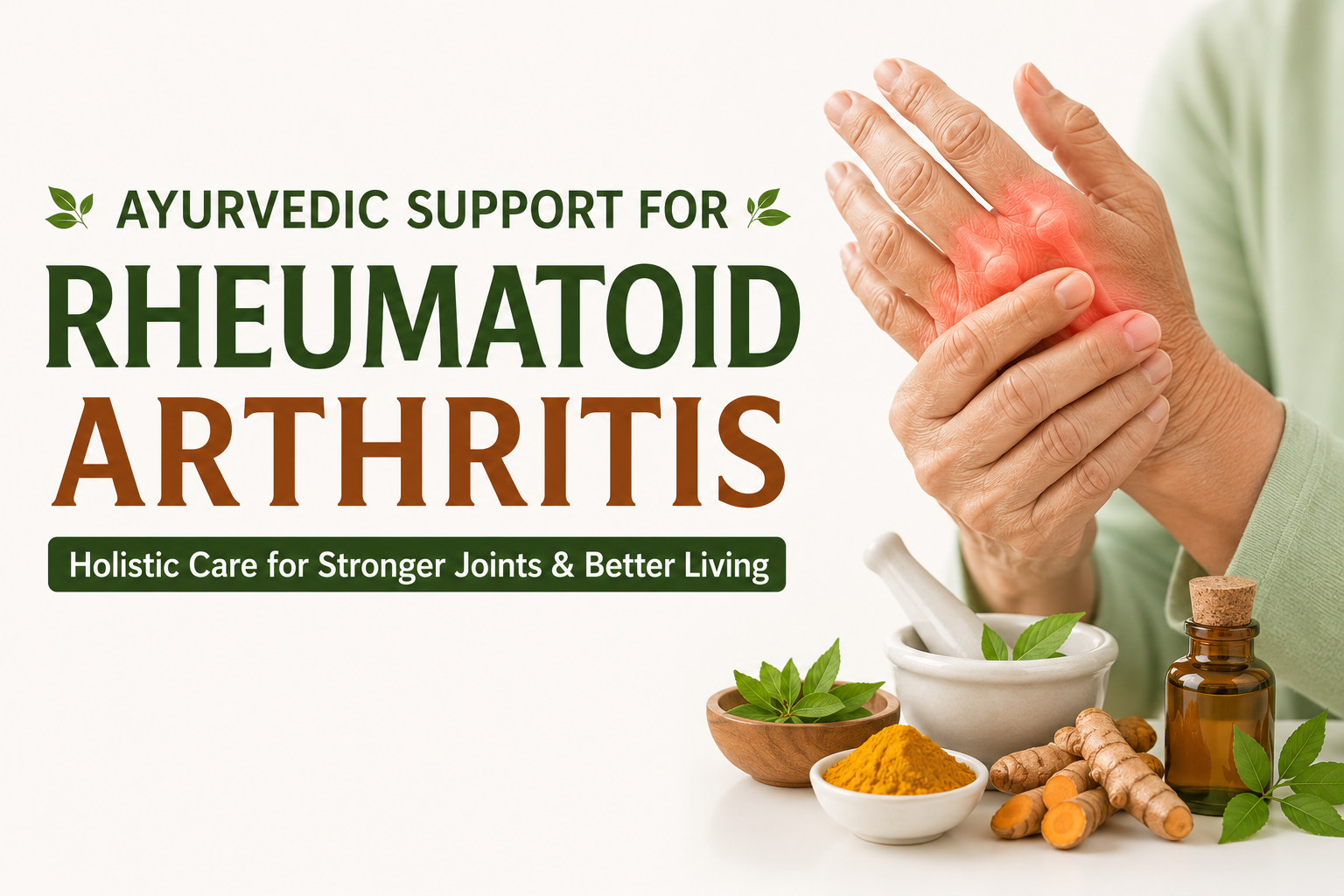
Rheumatoid arthritis is a chronic autoimmune condition that causes inflammation, pain, and stiffness in the joints. It commonly affects small joints such as fingers and wrists and may lead to reduced mobility over time if not properly managed.
From a modern medical perspective, rheumatoid arthritis is classified as an inflammatory autoimmune disease that requires long-term rheumatology care and continuous monitoring.
In Ayurveda, this condition is often associated with Amavata, which is believed to result from weakened digestion (Agni), accumulation of Ama (toxins), and imbalance of Vata dosha affecting joint function.
Ayurvedic care focuses on supportive wellness approaches, including diet regulation, lifestyle discipline, and traditional therapies aimed at improving overall joint comfort and daily functioning.
What is Rheumatoid Arthritis?
Rheumatoid arthritis is a long-term autoimmune disorder in which the immune system mistakenly attacks joint tissues, leading to inflammation, pain, and stiffness.
It commonly affects:
- Hands
- Wrists
- Knees
- Ankles
If unmanaged, it may lead to progressive joint damage.
Rheumatoid Arthritis in Ayurveda (Amavata Concept)
In Ayurveda, rheumatoid arthritis is commonly referred to as Amavata.
It is believed to occur due to:
- Weak digestive fire (Agni)
- Accumulation of Ama (metabolic waste accumulation)
- Aggravation of Vata dosha
Common Ayurvedic symptoms include:
- Joint stiffness
- Swelling and pain
- Fatigue
- Heaviness in the body
- Reduced mobility
Causes & Risk Factors of Rheumatoid Arthritis
Medical Causes
- Genetic predisposition
- Autoimmune dysfunction
- Chronic inflammation
- Hormonal imbalance
- Environmental triggers
Lifestyle Factors
- Sedentary lifestyle
- Chronic stress
- Poor sleep
- Nutritional imbalance
Ayurvedic Factors
- Vata imbalance
- Weak digestion (Agni)
- Ama accumulation
- Improper diet habits
Common Symptoms of Rheumatoid Arthritis
- Persistent joint pain
- Morning stiffness lasting more than 30–60 minutes
- Swelling in small joints
- Reduced grip strength
- Fatigue and weakness
- Symmetrical joint involvement
Persistent symptoms should be evaluated by a qualified medical professional.
Ayurvedic Support for Rheumatoid Arthritis
1. Dietary Support (Ahara)
- Warm, freshly prepared meals
- Light and easily digestible foods
- Turmeric and ginger in moderation
- Avoid cold, processed, or heavy foods
- Regular meal timings
2. Lifestyle Support (Vihara)
- Consistent sleep routine
- Gentle walking or movement
- Yoga under guidance
- Stress management (breathing, meditation)
3. Traditional Ayurvedic Wellness Practices
- External oil application practices traditionally used for joint comfort
- Warm herbal support therapies used in classical Ayurvedic wellness routines
4. Ayurvedic Herbs (Traditional Use Only)
- Guggulu formulations
- Ashwagandha
- Turmeric (Haridra)
- Nirgundi
These are traditional references and should only be used under professional supervision.
When to See a Doctor
Consult a doctor if:
- Joint pain persists or worsens
- Swelling increases over time
- Morning stiffness becomes severe
- Daily activities become difficult
- Fatigue becomes chronic
Early diagnosis improves long-term joint health outcomes.
Conclusion
Rheumatoid arthritis is a chronic autoimmune disease that needs ongoing medical care to manage joint pain, stiffness, and inflammation. Ayurvedic supportive care may help improve joint wellness through balanced diet and lifestyle practices. An integrated approach combining modern medicine, physiotherapy, nutrition, and Ayurveda is often recommended for better long-term outcomes. At Fair Pharma, we promote safe, responsible Ayurvedic wellness support that complements clinical care. All traditional practices should be followed under qualified professional supervision.
FAQs
1. What is rheumatoid arthritis?
Rheumatoid arthritis is a chronic autoimmune disease that causes inflammation, pain, and stiffness in the joints, especially in the hands and feet.
2. What is rheumatoid arthritis called in Ayurveda?
In Ayurveda, rheumatoid arthritis is known as Amavata, caused by weakened digestion, toxin buildup (Ama), and Vata imbalance.
3. Can Ayurveda support rheumatoid arthritis management?
Ayurveda approaches Amavata by addressing root imbalances such as weak digestion (Agni), toxin accumulation (Ama), and Vata aggravation, using structured diet, lifestyle regulation, and traditional therapies to support joint function and mobility.
4. What are the early symptoms of rheumatoid arthritis?
Early symptoms include joint stiffness, swelling, fatigue, and pain, especially in the morning lasting more than 30 minutes.
5. What lifestyle changes help rheumatoid arthritis?
Warm diet, regular sleep, gentle exercise, stress reduction, and yoga practices may help support joint health.