
Diet and Nutrition Tips for Rheumatoid Arthritis Patients
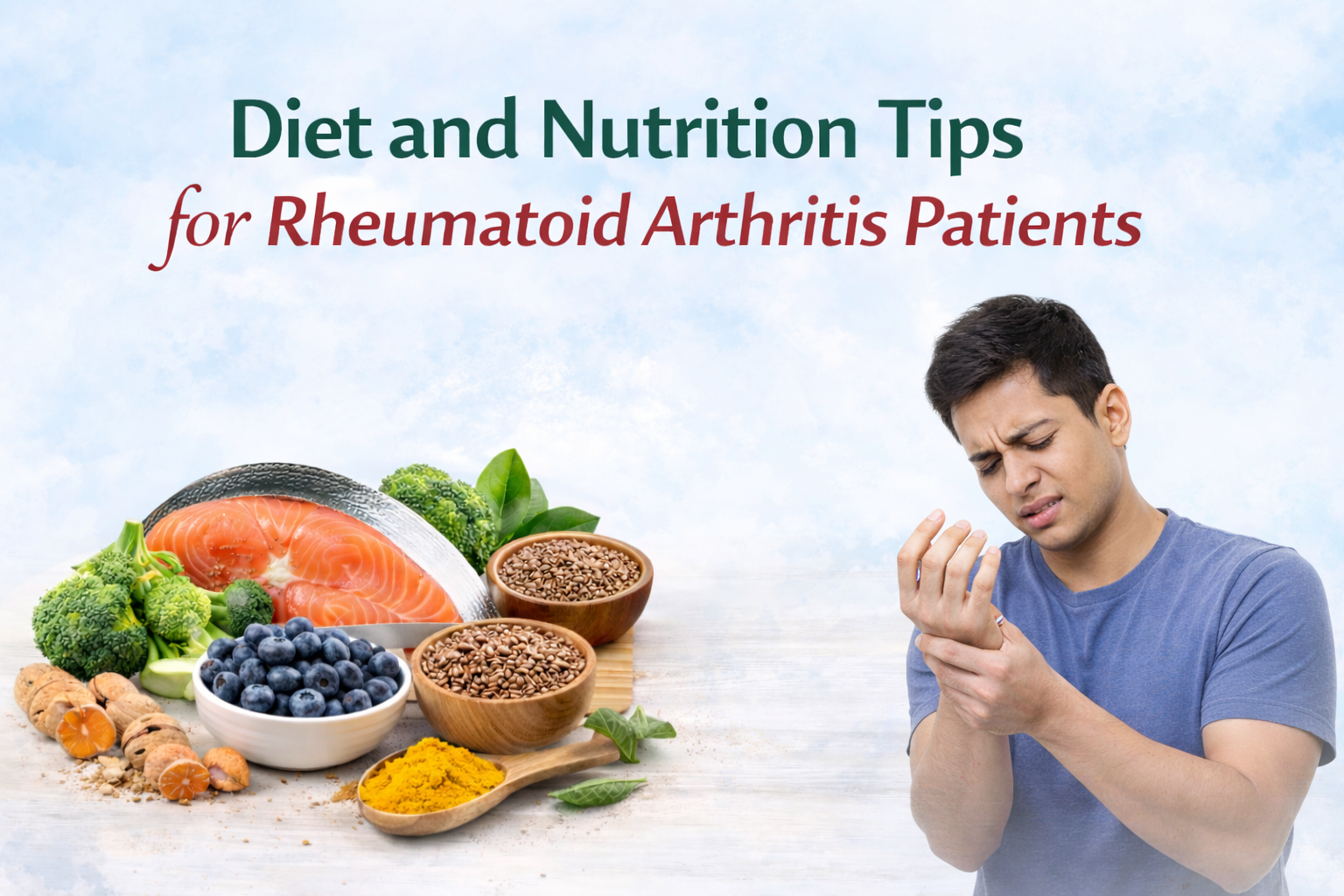
Living with rheumatoid arthritis (RA) can be tough. The pain, stiffness, and swelling in your joints can make simple tasks, like opening a jar or walking up stairs, feel challenging. While rheumatoid arthritis treatments and medicine for rheumatoid arthritis are important, the foods you eat can also make a big difference. Understanding nutrition for rheumatoid arthritis is not about strict rules or complicated diets. It is about making choices that help your body feel stronger and more comfortable every day.
Why What You Eat Matters
Your body reacts to the food you put into it. Some foods increase inflammation, while other foods decrease it. Eating well can help reduce flare-ups, give you more energy, and support your joints. It is not about perfection. Some foods increase inflammation, while other foods decrease it.
Think of your meals as tools to help your body. A bowl of colorful vegetables, a handful of nuts, or a piece of fatty fish is like giving your joints a little extra support. Even simple changes can make a noticeable difference over time.
Foods That Can Help
Certain foods are especially good for RA. Fatty fish like salmon, mackerel, or sardines contain omega-3 fats, which can ease joint pain and stiffness. Nuts and seeds, such as walnuts, chia seeds, and flaxseeds, provide healthy fats that fight inflammation.
Fruits and vegetables are also important. Berries, oranges, spinach, broccoli, and carrots are packed with antioxidants that protect your cells and help your body handle inflammation. Adding a pinch of turmeric or ginger to your meals can provide natural anti-inflammatory benefits. Small changes, like sprinkling turmeric into scrambled eggs or adding ginger to tea, can make a difference without feeling like a chore.
Foods to Limit
Some foods can make RA symptoms worse. Highly processed snacks, sugary treats, fried foods, and too much red or processed meat may increase inflammation. Alcohol and foods with trans fats should also be kept to a minimum.
This does not mean you can never enjoy these foods. It is about moderation and listening to your body. Notice what triggers flare-ups and make adjustments that feel doable. Even small changes, like swapping a sugary soda for water or baking chicken instead of frying it, can help your joints feel better.
Keeping a Healthy Weight
Extra weight puts more stress on your joints, which can make pain and stiffness worse. Losing even a few pounds can make moving easier. Eating balanced meals with plenty of vegetables, lean proteins, and whole grains, combined with gentle exercise, can help maintain a healthy weight and reduce pressure on your joints.
It is not about dieting. It is about giving your body what it needs to move more comfortably. Simple swaps, like adding an extra serving of vegetables or choosing whole grains, can make a big difference over time.
Strengthening Your Bones
RA can affect bone health, so it is important to include foods that keep bones strong. Calcium and vitamin D are key. Dairy products, fortified plant-based milks, leafy greens, and small fish with bones are excellent sources.
Other nutrients, like vitamin K in leafy greens and magnesium in nuts, seeds, and whole grains, also support bones. Including a variety of these foods helps protect your joints and keeps you moving confidently.
Staying Hydrated and Supporting Digestion
Water is simple but powerful. Proper hydration keeps joints lubricated and helps your body function better. Herbal teas, water-rich fruits like watermelon, and vegetables like cucumber can also help.
Fiber is another ally. Foods like whole grains, fruits, and vegetables support digestion and gut health. A healthy gut can influence inflammation and help your body respond better to RA treatments.
Simple Meal Ideas
A rheumatoid arthritis diet does not have to be complicated. Try to include protein, healthy fats, complex carbs, and vegetables in each meal. Simple snacks like fruit, nuts, or seeds help keep energy steady.
Cooking at home is a great way to control ingredients and make healthier choices. Even little changes, like adding an extra vegetable to your plate or swapping fried foods for baked options, can help your joints over time.
Supplements and Guidance
Sometimes food alone is not enough. Supplements like omega-3s, vitamin D, or calcium can help support joint and bone health. Always talk to a doctor before starting supplements to make sure they are safe.
You need assistance from a healthcare professional or dietitian for your guidance. Everyone’s body is different, and personalized advice ensures your diet works alongside rheumatoid arthritis treatments safely and effectively.
Lifestyle Tips
Diet is just one part of managing RA. Gentle exercise, good sleep, and stress management are all important. Together with a healthy diet and the right medicine for rheumatoid arthritis, these habits can make daily life easier.
Pay attention to your body. Notice which foods make you feel good and which ones trigger flare-ups. Mindful eating and small, practical changes can go a long way in improving comfort and energy.
Eating well can support people with rheumatoid arthritis alongside their medicine for rheumatoid arthritis. A diet rich in anti-inflammatory foods, balanced meals, proper hydration, and nutrients that strengthen bones can help manage symptoms and make everyday life easier.
For advice on diet, supplements, and medicines to support joint health, patients can turn to Fair Pharma Cochin, a trusted resource for guidance and support in managing rheumatoid arthritis safely and effectively.